

Tree Trimming Business: 7 Steps to Unstoppable Success
Starting a tree trimming business can be a lucrative venture if done right. Here’s why:
- Profitability: Many tree trimming businesses report annual profits between $50,000 and $200,000, with potential for more depending on scale and efficiency.
- Market Demand: Urban areas and regions prone to natural disasters provide consistent demand for tree trimming and removal services.
- Services Offered: Expanding your services to include stump grinding, landscaping, and emergency tree services can boost revenue significantly.
Running a tree trimming business combines the satisfying work of being outdoors with the challenge of managing operations and meeting customer needs. Hard work, excellent customer service, and smart business management play a crucial role in success.
I’m Vonda Copeland, CPIA, CWCU, your guide for navigating the complexities of this exciting industry. With over two decades in the insurance field, I’ve seen how important it is for businesses like yours to have the right protection. Let’s uncover the key aspects that make the tree trimming business both challenging and rewarding.
Glossary for tree trimming business:
– arborist company insurance
– tree company insurance
Understanding the Tree Trimming Business
Running a tree trimming business is about more than just cutting branches. It’s a blend of good business management, top-notch customer service, and strategic pricing. Let’s break it down:
Business Management
Managing a tree trimming business requires a solid plan and an eye for detail. You need to define the services you offer and decide what tasks to subcontract. For instance, you might focus on tree health inspections and partner with others for trimming and removal. This strategy not only broadens your service scope but also builds partnerships that can lead to more work.
Key Partnerships: Partnering with other tree care companies can be more beneficial than competing with them. Look for gaps in the market and fill them.
Subcontracting: Delegate tasks like landscaping to specialized agencies. This allows you to focus on what you do best.
Customer Service
Customer service is the backbone of any successful business. In the tree trimming industry, it’s about ensuring safety, reliability, and satisfaction.
- Communication: Keep clients informed about what to expect and the steps you’ll take. This builds trust and confidence.
- Reliability: Show up on time and complete projects as promised. This simple act goes a long way in securing repeat business.
- Safety: Clients need to know their property is in safe hands. Having the right insurance and certifications can reassure them.
Pricing
Pricing your services correctly is crucial. You need to cover costs and make a profit, but underpricing can hurt your business.
- Cost Estimation: Consider local costs, insurance premiums, and labor expenses. Your price should reflect these while ensuring a healthy profit margin.
- Competitive Pricing: Research what competitors charge. This helps you set competitive yet profitable rates.
- Flexible Pricing Models: Decide whether to charge by project or by the hour. Hourly rates in this industry can range from $100 to $500, depending on complexity and location.

In summary, managing a tree trimming business involves strategic planning, excellent customer service, and smart pricing. With these elements in place, you can build a strong foundation for your business’s success.
Next, we’ll dig into the Essential Steps to Start Your Tree Trimming Business, covering business plans, structures, and registration processes.
Essential Steps to Start Your Tree Trimming Business
Starting a tree trimming business involves a series of important steps. From crafting a solid business plan to choosing the right business structure and getting registered, let’s explore what you need to do to lay a strong foundation.
Crafting Your Business Plan
Your business plan is like a roadmap for success. It outlines your goals, strategies, and how you plan to achieve them. Here’s what to include:
-
Define Your Services: Clearly state what services you’ll offer. Are you focusing on residential tree trimming, commercial services, or both?
-
Identify Your Target Market: Decide who your customers are. Will you serve homeowners, businesses, or municipalities?
-
Set Financial Projections: Estimate your startup costs, expected revenue, and profit margins. This helps you understand the financial viability of your business.
-
Marketing Strategy: Plan how you’ll reach your potential customers. Consider both digital and traditional marketing methods.
Choosing a Business Structure
Selecting the right business structure is crucial as it affects your taxes, liability, and overall business operation. Here are some options:
-
Sole Proprietorship: Simple and easy to set up, but offers no personal liability protection.
-
Limited Liability Company (LLC): Provides personal asset protection, making it a popular choice for small businesses.
-
Corporation: More complex and suitable for larger businesses seeking to raise capital.
Most tree trimming businesses opt for an LLC due to its balance between simplicity and protection.
Registering Your Business
Once you’ve chosen your structure, it’s time to register your business. This process varies by location, but generally includes:
-
Registering Your Business Name: Ensure your business name is unique and not already in use. This helps in establishing your brand identity.
-
Obtaining Licenses and Permits: Check local regulations to see what licenses you need. Some areas require permits for tree removal or trimming services.
-
Registering with the IRS: Get an Employer Identification Number (EIN) if you plan to hire employees or set up a business bank account.
-
Trademark Registration: Consider trademarking your business name or logo for added protection.
Registering your business might seem overwhelming, but it’s a crucial step in making your business official and legally compliant.
By following these steps, you’ll be well on your way to establishing a successful tree trimming business. Next, we’ll explore the equipment and crew requirements needed to operate efficiently and safely.
Equipment and Crew Requirements
Starting a tree trimming business means having the right tools and team. Let’s explore what you need to get started.
Essential Equipment
Your equipment is the backbone of your operations. Here’s a list of must-have tools:
-
Chainsaws: Vital for cutting through branches and trees. Choose models that are powerful yet easy to handle.
-
Pruning Shears and Loppers: Perfect for smaller branches and precise cuts.
-
Ladders and Climbing Gear: Essential for reaching high branches safely.
-
Stump Grinders: Useful if you plan to offer stump removal services.
-
Wood Chippers: Great for turning branches into mulch, which can be an extra service.
-
Trucks and Trailers: You’ll need these to transport equipment and debris.
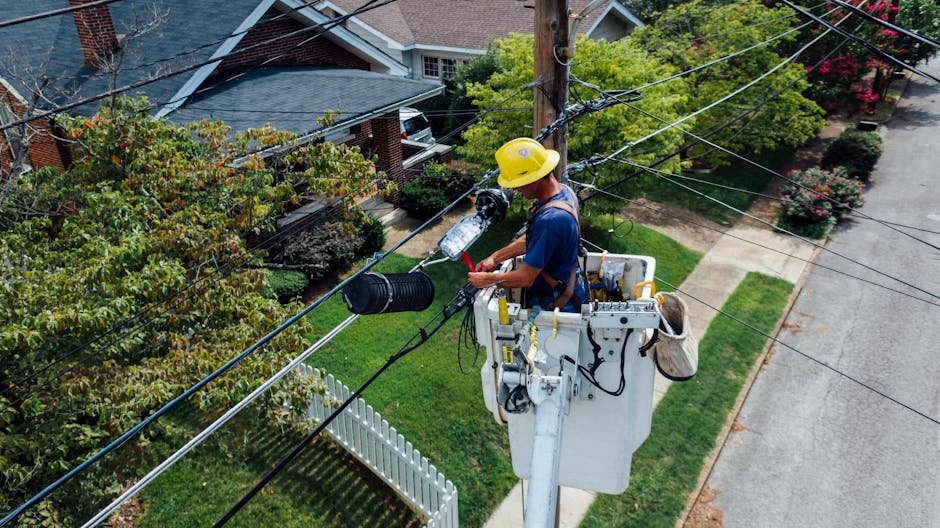
Safety Gear
Safety is non-negotiable in this line of work. Equip your team with:
-
Hard Hats and Safety Glasses: Protect against falling debris.
-
Gloves and Work Boots: Essential for grip and protection.
-
Harnesses and Ropes: Crucial for climbing and working at heights.
-
High Visibility Clothing: Keeps your crew visible to each other and passersby.
Hiring the Right Staff
Having the right team is just as important as having the right tools. Here’s what to consider:
-
Skilled Arborists: They bring expertise in tree biology and safety practices.
-
Ground Crew: They handle debris removal and assist with equipment.
-
Customer Service Staff: A friendly face for your clients, managing inquiries and bookings.
Hiring experienced staff can improve your reputation and ensure high-quality service.
Training and Development
Invest in ongoing training for your team. This includes:
-
Safety Training: Regular sessions to keep safety top of mind.
-
Equipment Handling: Proper use and maintenance of tools.
-
Customer Service: Ensuring every client interaction is positive.
By equipping your business with the right tools and a skilled crew, you set the stage for success. Up next, we’ll explore how to price your tree trimming services effectively.
Pricing Your Tree Trimming Services
Pricing your tree trimming business services right is key to success. Let’s break down how to estimate costs, set competitive prices, and maintain healthy profit margins.
Cost Estimation
Start by figuring out all your costs. This includes:
-
Equipment Costs: Chainsaws, ladders, and other tools need maintenance and, sometimes, replacement.
-
Labor Costs: Pay your crew fairly. Skilled arborists and ground crew are essential.
-
Insurance: Protect your business with general liability and workers’ compensation insurance.
-
Fuel and Transportation: You’ll need trucks to transport equipment and debris.
-
Miscellaneous Costs: Consider permits, marketing, and office supplies.
Tip: Use a simple spreadsheet to keep track of all these costs. It helps to see where your money is going.
Competitive Pricing
To set your prices, check what other local businesses charge. You don’t want to be too high or too low.
-
Local Rates: Research rates in your area. Urban areas might have higher rates due to demand.
-
Service Type: Complex jobs like high-risk removals can command higher prices.
-
Hourly vs. Project Rates: Decide if you’ll charge by the hour or by the project. Hourly rates can range from $100 to $500, depending on the job.
Tip: Offer a range of services, like stump grinding or emergency tree service, to attract more clients.
Profit Margins
Once you’ve estimated your costs and set your prices, calculate your profit margin. This is important for sustainability.
-
Break-Even Point: Know how much you need to earn to cover all your costs.
-
Desired Profit: Add a percentage for profit. This ensures your business grows.
-
Adjust as Needed: Regularly review your costs and profits. Adjust prices if costs rise.
Quote: “Offering the lowest price does not guarantee success. Aim for a price that covers all expenses and generates a healthy profit.”
By understanding your costs, setting competitive prices, and maintaining strong profit margins, you ensure your tree trimming business thrives. Next, let’s dive into the insurance and legal considerations that will keep your business protected.
Insurance and Legal Considerations
When starting a tree trimming business, it’s crucial to ensure you’re legally protected and compliant with local regulations. Let’s explore the key insurance policies and legal steps you’ll need to consider.
General Liability Insurance
General liability insurance is a must-have for any tree trimming business. It protects you from financial loss if you’re held liable for accidents that cause injury or property damage while providing services.
-
Coverage Details: This insurance covers third-party injuries, property damage, and legal defense costs. It’s essential for covering claims that might arise from fallen branches or equipment mishaps.
-
Cost: The cost can vary based on your business size and location. It’s important to shop around and compare policies to find the best fit for your needs.
Tip: Consult with insurance experts, like those at Copeland Insurance Agency, to ensure you have the right coverage custom to your business.
Business License
Operating without a business license can lead to fines or even business closure. Each city or state has its own requirements, so it’s important to check what applies to your area.
-
Application Process: Visit your local city hall or government website to learn about the application process. You’ll typically need to provide business details, pay a fee, and sometimes, pass an inspection.
-
Renewal: Most licenses need annual renewal. Mark your calendar to avoid missing deadlines.
Quote: “Knowing how to get a tree service license is the first step if you want to run a business that’s in compliance with local laws and regulations.”
Local Regulations
Local regulations can vary widely, especially when it comes to tree removal and trimming. Make sure you know the rules in your area to avoid legal issues.
-
Permits: Some cities require permits for tree removal, especially for larger trees or those in protected areas. For example, in Jackson, Florida, a permit is needed for trees taller than four feet. source
-
Safety Standards: Ensure your crew follows safety standards to prevent accidents and comply with OSHA regulations.
-
Environmental Considerations: Be aware of any environmental regulations protecting certain tree species or areas.
Tip: Regularly check for updates to local regulations to stay compliant and avoid potential fines.
By securing the right insurance, obtaining necessary licenses, and adhering to local regulations, you can protect your tree trimming business from legal risks and ensure smooth operation. Next, we’ll explore effective marketing strategies to grow your customer base.
Marketing Your Tree Trimming Business
When it comes to marketing your tree trimming business, combining digital and traditional methods is key to reaching more customers and building your brand.
Digital Marketing
Online Presence: Start with a simple website. Include an “About Us” page, a list of services, and a contact form. Adding photos of your work, customer reviews, and a section introducing your team can make your site more engaging.
Social Media: Platforms like Facebook and Instagram are great for reaching potential clients. Share photos of your work, customer testimonials, and tips on tree care. Engaging with your audience through comments and messages can help build trust and attract more leads.
Content Creation: Write blog posts or create videos that provide value. Topics like “How to Choose the Right Tree Service” or “The Importance of Regular Tree Maintenance” can establish you as an expert.
SEO: Optimize your website and content for search engines. Use keywords that your potential customers might search for, like “tree trimming services in Kansas.” This helps your site rank higher on Google.
Quote: “Content must be engaging and provide value so that your audience recognizes your knowledge in the tree service business.”
Traditional Marketing
Word of Mouth: Encourage satisfied customers to refer your services to friends and family. This is one of the most effective forms of advertising.
Flyers and Business Cards: Hand out flyers that detail your services and include your contact information. Give business cards to potential and existing clients after completing a job.
Local Events: Participate in local trade shows or community events. This can increase your visibility and allow you to connect with potential clients face-to-face.
Local Directories: List your business in local directories. This can help residents in your area find your services more easily.
Branding
Creating a strong brand is crucial for standing out in the tree trimming industry.
Logo and Design: Develop a memorable logo and use consistent colors and fonts across all marketing materials.
Customer Experience: Provide excellent service and communicate clearly with clients. A positive experience can lead to repeat business and referrals.
Quote: “Hard work, great customer service, fact-based advice to clients and an owner who focuses on the business side while we deliver on the technical side.”
By integrating both digital and traditional marketing strategies, you can effectively grow your tree trimming business. Next, we’ll dive into some frequently asked questions about starting and running a successful tree trimming business.
Frequently Asked Questions about Tree Trimming Business
How profitable is a tree trimming business?
A tree trimming business can be quite lucrative. Several factors influence profitability, such as market demand, services offered, and operational costs.
In urban areas, demand is generally higher due to more properties with trees and stricter regulations on tree maintenance. After natural disasters, like storms, demand can also spike due to fallen trees needing urgent removal.
Offering a range of services, such as stump grinding and emergency tree services, can increase revenue. Specializing in high-risk removals or hazardous tree assessments can command higher prices.
Pricing varies, with charges ranging from $200 to $2,000 or more per job, depending on complexity and location. Establishing maintenance contracts with commercial properties can provide steady income.
Operational costs, including equipment and labor, are significant. However, with effective marketing and quality service, annual profits can range from $50,000 to $200,000 or more.
“We now do over $1 million with a crew of 6.”
What equipment do I need to start?
Starting a tree trimming business requires investment in high-quality equipment to handle various jobs safely and efficiently. Essential tools include:
- Chainsaws: For cutting and trimming trees.
- Stump Grinders: To remove tree stumps.
- Chippers: For turning branches into mulch.
- Ropes and Harnesses: For safety during high climbs.
- Cranes: For handling large trees or complex removals.
Investing in reliable and effective tools is crucial. Safety gear is also important to protect you and your crew from potential hazards.
“To guarantee that you can handle any job that comes your way, you will need to invest in high-quality instruments.”
How do I find customers?
Acquiring customers for your tree trimming business involves a mix of strategies:
- Word of Mouth: Satisfied customers are your best promoters. Encourage them to refer your services to friends and family.
- Digital Presence: Build a website and create social media profiles. Share photos of your work and engage with your audience.
- Local Networking: Establish connections with local contractors, property managers, and landscapers. They can refer clients to you.
- Promotions and Discounts: Offer special deals for first-time clients or discounts for referrals to attract new customers.
Engaging in both digital and traditional marketing methods will help you reach a larger audience and build a solid customer base.
“You can find new business by establishing connections with neighborhood contractors, property managers, and landscapers.” source
Now that we’ve covered some common questions, let’s move on to understanding the legal and insurance aspects crucial for your tree trimming business.
Conclusion
Starting a tree trimming business can be both rewarding and profitable, but it requires careful planning and the right support. At Copeland Insurance Agency, we understand the unique challenges that come with running a tree service business. Our focus is on providing comprehensive insurance coverage custom to meet your specific needs, ensuring that you are protected every step of the way.
Comprehensive Coverage
The nature of tree trimming work involves inherent risks, from working at heights to handling heavy equipment. That’s why having the right insurance coverage is not just a legal necessity—it’s a vital part of safeguarding your business. We offer a range of insurance options, including general liability insurance, workers’ compensation, and business auto insurance, to protect your operations, employees, and assets.
Dedicated Customer Service
At Copeland Insurance Agency, customer service is at the heart of what we do. Our knowledgeable agents are committed to providing you with personalized support and expert advice. We work closely with you to understand your business needs and help you choose the best coverage options to ensure your business is well-protected.
Whether you’re just starting out or looking to expand your existing tree trimming business, we’re here to help. Our goal is to provide you with peace of mind so that you can focus on growing your business and serving your clients.
Protect your tree trimming business with the right insurance solutions. Contact us today to explore your options and secure comprehensive coverage custom to your needs. Your business deserves the best protection, and we are here to provide it.