

Hip vs Gable Roof: Top 5 Powerful Pros & Cons for 2025
Why Your Roof Choice Matters More Than You Think
Hip vs gable roof decisions affect everything from your insurance premiums to your home’s ability to withstand severe weather. Understanding these two popular roof styles can save you thousands in construction costs and potentially reduce your insurance rates.
Quick Comparison:
– Hip Roof: Slopes on all four sides, better wind resistance, higher cost, less attic space
– Gable Roof: Two slopes with triangular ends, more affordable, larger attic, wind vulnerable
– Cost Difference: Hip roofs typically cost $34,000-$68,000 vs gable roofs at $25,000-$50,000
– Insurance Impact: Hip roofs may qualify for up to 32% discounts in hurricane zones
Your roof does more than keep rain out. It’s your home’s first line of defense against wind, snow, and hail. The style you choose impacts your construction budget, insurance costs, energy efficiency, and even your home’s resale value.
As insurance professionals at Copeland Insurance Agency, we’ve helped countless homeowners steer insurance implications when choosing between hip vs gable roof designs. Our experience has shown that the right roof choice can significantly impact both your coverage options and premium costs.
Glossary for hip vs gable roof:
– gable roof designs
– gable roofing
– gable vs hip roof cost
Roof Shapes 101: Understanding Hip and Gable Basics

Picture this: you’re driving through a neighborhood and notice how different the rooflines look. Some homes have roofs that slope down on all sides like a pyramid, while others have that classic barn-style look with triangular ends. You’re seeing the two most popular roof styles in America – and understanding the difference between hip vs gable roof designs can save you serious money on both construction and insurance.
Think of a hip roof as nature’s perfect design for stability. Just like a mountain peak, it slopes downward from all four sides, creating what builders call a “self-bracing” structure. This design has been protecting American homes since the 1650s.
A gable roof takes a simpler approach. It’s the roof style most of us drew as kids – two sloping sides meeting at the top with those distinctive triangular walls at each end. These triangular sections are called gables, and they’ve been the backbone of American home design since the early 1600s.
The key difference lies in how these roofs handle the forces of nature. Hip roofs distribute weight and wind pressure across all four walls, while gable roofs concentrate these forces on just two main walls.
How a Hip Roof Is Constructed
Building a hip roof is like creating a four-way handshake at the top of your house. All four walls work together to support the roof structure, with rafters running from each corner up to the central ridge beam. This creates multiple load paths – fancy engineering speak for “lots of ways to spread the weight around.”
The magic happens in the framing. Hip trusses or conventional rafters with hip rafters form the skeleton, while valleys are created where different roof planes meet. These valleys need extra attention during construction because they’re prime spots for water to collect.
What makes hip roofs special is their eaves – the overhanging edges – stay the same height all around your house. This creates that balanced, symmetrical look that many homeowners love. It also makes installing gutters straightforward since everything lines up perfectly.
How a Gable Roof Is Constructed
Gable roofs keep things beautifully simple. The construction uses a two-plane slope system where rafters or trusses span from the ridge board at the peak down to the exterior walls. Those triangular gable end walls you see? They’re framed with regular studs and covered with siding, not roofing materials.
The ridge board runs like a spine along the entire length of your roof peak, giving the rafters something solid to lean against. This straightforward design is why gable roofs cost less to build – fewer materials, less complex framing, and most roofers can handle the job without specialized training.
Here’s a bonus: gable roofs are ventilation champions. Those vertical end walls are perfect spots for gable vents, though most modern homes get better airflow from ridge and soffit vent combinations. The steep slopes also excel at shedding water, snow, and debris – Mother Nature’s messes just slide right off.
Hip vs Gable Roof: Key Structural & Visual Differences
The differences between hip vs gable roof designs go far beyond just appearance. These two roof styles have distinct structural characteristics that affect everything from your construction budget to your insurance premiums.
Hip roofs slope on all four sides, creating that pyramid-like appearance, while gable roofs have just two slopes with those classic triangular ends. This fundamental difference impacts nearly every aspect of your roofing project.
| Feature | Hip Roof | Gable Roof |
|---|---|---|
| Slopes | 4 sides | 2 sides |
| Wind Resistance | Excellent | Good with proper bracing |
| Snow Performance | Good | Excellent |
| Cost | $34,000-$68,000 | $25,000-$50,000 |
| Attic Space | Limited | Maximum |
| Maintenance | More complex | Simpler |
| Insurance Discounts | Up to 32% in wind zones | Standard rates |
| Construction Complexity | High | Low |
The cost difference is substantial – you’ll typically pay $9,000 to $18,000 more for a hip roof. However, that extra investment often pays off through lower insurance premiums, especially if you live in areas prone to high winds or hurricanes.
Wind resistance is where hip roofs really shine. The inward slopes on all four sides help reduce wind uplift, making them much more stable during storms. Gable roofs can perform well too, but they need proper bracing on those vertical end walls to prevent wind damage.
Anatomy Snapshot: Hip vs Gable Roof Elements
Understanding the hip vs gable roof anatomy helps explain why these styles perform so differently. Hip roofs have more complex structural elements, starting with the hip rafters that run diagonally from each corner to the central ridge. These create the distinctive slopes on all four sides.
The ridge on a hip roof is typically shorter than on a gable roof of the same size. Soffits and fascia wrap around the entire perimeter, providing consistent ventilation and a uniform appearance.
Gable roofs have a simpler structure with a central ridge running the full length of the roof. The gable end walls are the vertical triangular sections that give this roof style its name. These walls are typically sided rather than shingled, creating opportunities for architectural interest.
Visual Impact & Curb Appeal
The visual differences between these roof styles can dramatically affect your home’s curb appeal. Hip roofs create a symmetrical, balanced appearance with their consistent eave lines wrapping around the entire structure. This uniform look often appeals to homeowners who prefer clean, modern lines.
Gable roofs offer a more traditional charm with their classic triangular shapes. These roofs have been popular in American architecture for centuries, and they still evoke that timeless, welcoming feeling. The vertical gable ends provide excellent opportunities for architectural details like decorative trim or accent materials.
Pros and Cons Breakdown
Every homeowner faces this moment: you’re staring at roof estimates, wondering if the extra cost of a hip roof is worth it, or if a gable roof’s simplicity makes more sense for your situation. Let’s break down the real-world benefits and drawbacks of each style so you can make this decision with confidence.
The truth is, there’s no universally “better” choice between hip vs gable roof designs. Your best option depends on your budget, local climate, aesthetic preferences, and how you plan to use your attic space.
Hip vs Gable Roof Advantages
Hip roofs shine when it comes to superior wind resistance. Those inward slopes on all four sides create what engineers call a self-bracing structure – essentially, the roof helps hold itself together during storms. This design performs exceptionally well in hurricanes and high winds, which is why many insurance companies offer discounts up to 32% on wind coverage for hip roofs in hurricane-prone areas.
The consistent eaves wrapping around your entire home create a balanced, sophisticated appearance that many homeowners love. Hip roofs handle heavy snow loads beautifully thanks to their inherent stability, and they work effectively even on relatively low-pitched installations.
Gable roofs win the affordability contest hands down. Their simpler construction means fewer materials, less complex framing, and lower labor costs – often saving you $10,000 to $15,000 compared to hip roofs. You’ll get maximum attic space with those triangular profiles, perfect for storage or even converting to living space with vaulted ceilings.
The steep slopes provide excellent drainage, naturally shedding water, snow, and debris without pooling. Maintenance tends to be easier and less expensive since there are fewer seams and potential trouble spots. Gable roofs also offer superior ventilation opportunities and nearly double the surface area for solar panel installations compared to hip roofs.
Hip vs Gable Roof Disadvantages
Hip roofs come with a higher price tag – typically 35-40% more expensive due to complex construction requirements. You’ll need skilled contractors experienced in hip roof installation, and finding qualified professionals can be challenging in some areas.
The biggest practical drawback is limited attic space. Those inward slopes on all sides significantly reduce usable volume upstairs. Hip roofs also have more potential leak points with additional seams, valleys, and ridges – though proper installation minimizes this risk.
Gable roofs face wind vulnerability as their main weakness. Those large, flat gable ends can act like sails in high winds, potentially causing uplift damage if not properly braced. This translates to higher insurance premiums in hurricane-prone areas, sometimes offsetting the initial construction savings.
The structural requirements are critical – gable roofs need adequate bracing to prevent collapse during severe weather. Some homeowners also find the traditional triangular design less visually sophisticated than the sleek lines of hip roofs, though this comes down to personal taste and architectural style.
Climate, Cost & Insurance Considerations
Your local climate plays a crucial role in determining which roof style will perform best and cost least over time. At Copeland Insurance Agency, we’ve seen how different weather patterns affect insurance claims and premiums across our service areas. The hip vs gable roof decision becomes even more important when you factor in your region’s specific weather challenges.
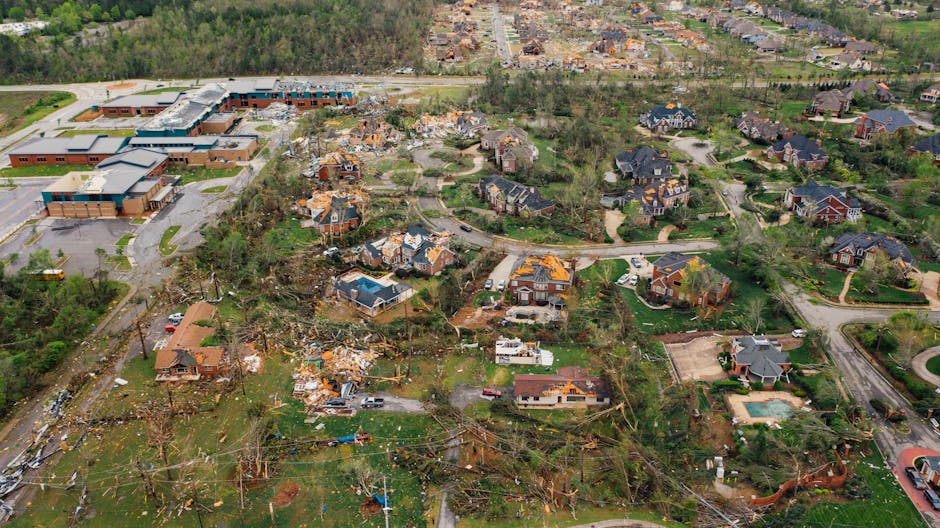
Weather isn’t just something you endure – it’s something your roof battles every single day. From scorching Arizona summers to Kansas tornadoes to Texas hurricanes, your roof choice can mean the difference between minor repairs and major insurance claims.
Wind & Hurricane Zones—Why Hip Roofs Excel
Hip roofs are like the aerodynamic sports cars of the roofing world. Their inward slopes work together to deflect wind from any direction, creating a natural defense against Mother Nature’s worst tantrums. Scientific research on wind-resistant roofs proves what insurance professionals have known for years – these roofs simply handle wind better.
In wind zones III and IV, or areas that see 10 or more tornadoes annually, hip roofs significantly outperform their gable counterparts. The magic lies in their self-bracing design. While gable roofs depend on their end walls to stay standing (which can fail under extreme pressure), hip roofs support themselves through their interconnected structure.
Insurance companies aren’t just being nice when they offer discounts for hip roofs – they’re being smart. Wind-tunnel tests show that square hip roofs with four equal slopes perform best under extreme conditions.
Snow, Rain & Thermal Performance
While hip roofs dominate in wind performance, gable roofs often take the lead in snow country. Their steeper slopes and simpler geometry create natural snow slides, reducing the risk of dangerous ice dams and structural overload.
Hip roofs face some challenges with snow accumulation, particularly in valleys where different roof planes meet. However, installing ice and water protectors during construction can prevent most snow-related issues.
When it comes to rain, both roof styles perform admirably with proper slope design. Hip roofs actually have an advantage in heavy rainfall areas because their multiple drainage planes distribute water runoff more evenly around your home’s foundation.
Thermal performance is where hip roofs really shine in hot climates like Arizona and Texas. Those overhangs on all four sides create natural shading that can significantly reduce your cooling costs.
Insurance & Resale Value Impacts
The insurance implications of your hip vs gable roof choice can add up to serious money over time. Hip roofs may qualify for substantial discounts in hurricane-prone areas, with some insurers offering up to 32% reductions on wind coverage premiums. Over a 20-year period, these savings can offset much of the additional construction cost.
Hip Roof vs Gable Roof Insurance considerations go beyond just monthly premiums. In high-wind areas, some insurers require additional documentation, inspections, or even higher deductibles for gable roofs.
Resale value tells an interesting story that varies by region. In areas prone to severe weather, buyers increasingly prefer homes with hip roofs because they understand the performance benefits and lower insurance costs. However, in moderate climates, gable roofs’ affordability and generous attic space often win over buyers.
Variations & Hybrid Designs to Know

The hip vs gable roof debate doesn’t have to be an either-or decision. Many homeowners find that hybrid designs offer the perfect compromise, combining the best features of both styles while addressing specific needs for their home and climate.
Think of hybrid roofs as the “best of both worlds” solution. They’re like having your cake and eating it too – you get improved wind resistance from hip elements while maintaining some of the affordability and space benefits of gable designs.
Dutch gable roofs (also called hip-gable) start with a hip roof foundation but add small gable sections at the ends. This clever design gives you about 80% of a hip roof’s wind resistance while creating extra attic space and visual interest. It’s particularly popular in areas with moderate wind concerns where full hip roofs might be overkill.
Half-hip roofs take the opposite approach by starting with a gable and “clipping” the corners with small hip sections. This reduces the wind-catching surface area of the gable ends while keeping most of the attic space intact. Insurance companies often view these more favorably than full gable roofs in windy areas.
Cross-hip designs work beautifully on larger homes with complex floor plans. Multiple hip sections intersect at different angles, creating architectural interest while maintaining excellent wind performance throughout.
Cross-gable roofs intersect traditional gable sections to highlight different areas of the home. You might see this on homes where the main house has one gable orientation and an attached garage or wing has another. While not as wind-resistant as hip variations, they’re more affordable and create distinctive architectural lines.
Mansard roofs represent a unique hip roof variation with two distinct slopes on each side. The steep lower slope maximizes usable attic space (often creating a full additional floor), while the gentler upper slope maintains the hip roof’s structural benefits.
At Copeland Insurance Agency, we’ve noticed that hybrid designs often receive favorable treatment from insurance underwriters. They demonstrate that homeowners have thoughtfully considered both aesthetics and weather protection, which insurers appreciate when assessing risk.
How to Choose the Right Roof for Your Home
Choosing between a hip vs gable roof doesn’t have to feel overwhelming. After helping countless homeowners steer this decision across nine states, we’ve learned that the right choice becomes clear when you consider your specific situation systematically.
Your local climate should be your first consideration. If you live in a high-wind area like coastal regions or tornado-prone zones, hip roofs are strongly recommended. The aerodynamic design and self-bracing structure provide superior protection when Mother Nature gets angry. However, if you’re dealing with heavy snow loads, gable roofs typically shed snow more efficiently and reduce the risk of ice dams.
Budget considerations extend beyond just the initial construction cost. While gable roofs cost less upfront – typically $25,000-$50,000 compared to $34,000-$68,000 for hip roofs – you need to factor in long-term insurance costs. The Gable vs Hip Roof Cost analysis becomes more complex when you consider that hip roofs may qualify for insurance discounts up to 32% in hurricane zones.
Think honestly about your space requirements. If you need maximum attic storage or plan to convert your attic into living space, gable roofs provide significantly more usable volume. The triangular profile creates natural vaulted ceilings and room to move around. Hip roofs, with their inward slopes on all sides, limit headroom and storage capacity.
Aesthetic preferences matter too, and they should align with your home’s architectural style. Traditional farmhouse and colonial designs naturally complement gable roofs, while modern and contemporary homes often look more sophisticated with hip roofs’ clean, continuous lines. Gable Roof Designs offer numerous architectural variations if you prefer the classic triangular look.
Don’t overlook local factors that might influence your decision. Some building codes favor certain roof styles based on regional weather patterns. Homeowner associations may have restrictions that limit your choices. Most importantly, contractor availability varies significantly by region – you’ll want experienced professionals regardless of which style you choose.
If you’re planning a solar installation, this factor alone might tip the scales. Gable roofs offer nearly double the surface area for solar panels compared to hip roofs. The larger, unbroken planes also provide better positioning for optimal sun exposure, especially on south-facing slopes.
The decision ultimately comes down to balancing these factors against your priorities. Climate concerns and insurance costs might override aesthetic preferences in hurricane-prone areas. Budget constraints might make gable roofs the practical choice, even if you prefer hip roofs’ appearance.
At Copeland Insurance Agency, we’ve seen how the right roof choice protects both your home and your wallet. We’re here to help you understand the insurance implications of your decision and ensure you have comprehensive coverage regardless of which style you choose.
Frequently Asked Questions about Hip vs Gable Roof
Which roof type is cheaper to build?
Gable roofs are the clear winner when it comes to upfront costs. You’ll typically spend $25,000-$50,000 for a gable roof compared to $34,000-$68,000 for a hip roof on the same home. That’s a difference that can fund a nice kitchen renovation!
The savings come from gable roofs’ straightforward construction. They need fewer materials, less complex framing, and can be built by contractors with standard roofing experience. Hip roofs require more skilled craftspeople who understand the intricate valley and hip rafter connections.
But here’s where it gets interesting – hip vs gable roof costs extend beyond the initial build. If you live in a hurricane-prone area, those hip roof insurance discounts can add up to thousands of dollars over the years. We’ve seen homeowners save enough on premiums to eventually offset much of that higher construction cost.
Think of it like buying a more fuel-efficient car. You pay more upfront but save money every month at the gas pump.
How does attic ventilation differ between styles?
Both roof types can breathe well, but they do it differently. Gable roofs have those distinctive triangular end walls that seem perfect for gable vents. However, most modern building science actually favors ridge and soffit vent combinations over gable vents for better air circulation.
Hip roofs naturally use ridge and soffit ventilation since there are no gable ends to work with. The continuous soffit around the entire perimeter often creates more consistent airflow patterns. Cool air enters through the soffits, travels up under the roof deck, and exits through the ridge vents.
The key isn’t which style you choose, but making sure your contractor designs proper ventilation for your specific roof. Poor ventilation leads to ice dams in winter, excessive heat in summer, and moisture problems year-round. We’ve seen too many insurance claims that could have been prevented with better attic airflow.
Are hip-gable hybrids a good compromise?
Hip-gable hybrids can be fantastic if you’re torn between the two styles. Dutch gables, for example, give you most of the wind resistance of a hip roof while adding visual charm and extra attic space from those small gable sections.
These hybrid designs work especially well if you want the insurance benefits of a hip roof but need more storage space. The small gable sections don’t create the same wind vulnerability as full gable ends, yet they provide enough extra room to make a difference.
The trade-off? Hip-gable combinations cost more than simple gable roofs and require more skilled installation than either pure style. You’re essentially building two different roof types on the same house, which adds complexity to the framing, flashing, and weatherproofing.
If your budget allows and you love the look, hybrids can offer the best of both worlds for hip vs gable roof decisions.
Conclusion
Making the right choice between hip vs gable roof styles comes down to understanding what matters most for your specific situation. There’s no universally “best” option – just the best choice for your home, your budget, and your local conditions.
If you live in an area prone to hurricanes, tornadoes, or high winds, a hip roof’s superior wind resistance could literally save your home. The potential insurance discounts of up to 32% can help offset the higher construction costs over time. Plus, you’ll have peace of mind knowing your roof is engineered to handle whatever Mother Nature throws at it.
On the other hand, if you’re in a moderate climate and need to maximize your budget, a gable roof makes perfect sense. You’ll get more bang for your buck, extra attic space for storage or future expansion, and a classic look that never goes out of style. The simpler construction also means easier maintenance down the road.
Your local climate should be your biggest deciding factor. We’ve seen too many homeowners in high-wind areas wish they’d chosen differently after dealing with storm damage and insurance claims. But we’ve also worked with plenty of happy gable roof owners in areas where wind isn’t a major concern.
Don’t forget to factor in your long-term plans. Planning to install solar panels? That gable roof gives you nearly double the surface area to work with. Thinking about converting your attic someday? You’ll definitely want those high, triangular spaces that only gables provide.
At Copeland Insurance Agency, we’ve helped homeowners across nine states steer these decisions and their insurance implications. We understand that your roof choice affects more than just your home’s appearance – it impacts your coverage options, premium costs, and claim experiences for decades to come.
The best roof decision is an informed one. Take time to evaluate your climate risks, crunch the numbers on both construction and insurance costs, and think about how you’ll use your home in the years ahead.
Ready to protect your investment with comprehensive coverage? We’re here to help you understand how your roof choice affects your insurance options and find the right protection for your needs. For more info about hip and gable roof coverage, reach out to our team. We’re committed to providing quality insurance products with caring service at prices that won’t break the bank.