

Food Truck Insurance: Top 5 Essential Coverages in 2024
Navigating the Essentials: Food Truck Insurance
Food truck insurance is vital for any mobile eatery. Here’s a quick overview:
- General liability insurance: Covers injuries and property damage.
- Product liability insurance: Protects against foodborne illnesses.
- Commercial auto insurance: Required for the food truck vehicle.
- Workers’ compensation insurance: Covers employee injuries.
- Food spoilage insurance: Protects against food loss due to outages or equipment failure.
Running a food truck is thrilling but not without risks. Imagine a customer slipping near your truck or getting sick from your food. Your cooking equipment might get stolen or damaged, disrupting your business. Without proper insurance, these incidents can spell financial disaster.
I’m Vonda Copeland, CPIA, CWCU, from Copeland Insurance Agency, with over two decades of experience crafting specialized insurance solutions for food trucks. My goal is to help protect your mobile business and ensure its success.
Let’s dive deeper into what makes food truck insurance essential.
What is Food Truck Insurance?
Food truck insurance is a specialized type of small business insurance designed to protect mobile food vendors from a variety of risks. Running a food truck involves unique challenges compared to a traditional restaurant, and having the right insurance coverage is crucial to safeguard your business.
Definition and Purpose
Food truck insurance combines several types of coverage to address the specific risks that come with operating a mobile food business. Imagine your food truck as a mini-restaurant on wheels. It’s not just about serving delicious meals; you need to be prepared for accidents, theft, equipment breakdowns, and even legal claims.
Purpose of Food Truck Insurance:
- Protect your investment: Your food truck and equipment are valuable assets. Insurance helps cover the costs of repairs or replacements if something goes wrong.
- Manage risks: From customer injuries to property damage, insurance helps you manage risks and avoid financial ruin.
- Compliance: Many locations require food trucks to have certain types of insurance to operate legally.
Small Business Insurance
Food truck insurance falls under the umbrella of small business insurance, which is custom to meet the needs of various small businesses. However, food trucks have unique requirements due to their mobility and the nature of their operations.
Key Components of Food Truck Insurance:
- General Liability Insurance: Covers bodily injuries and property damage you might cause to others.
- Commercial Property Insurance: Protects your truck and equipment from damage due to events like fire or theft.
- Commercial Auto Insurance: Essential for the vehicle itself, covering accidents and damages.
- Workers’ Compensation Insurance: Covers medical expenses and lost wages if your employees get injured on the job.
- Food Spoilage Insurance: Reimburses you for spoiled food due to power outages or equipment failure.
Why It’s Essential
Without proper insurance, a single incident could lead to significant financial loss. For example, if a customer gets food poisoning and decides to sue, general liability insurance can cover the legal fees and any settlements. Or, if your truck is damaged in an accident, commercial auto insurance can help with the repair costs.
Case Study:
Derrick P., a food truck owner, shared his experience: “I was able to save money and the young lady was very nice.” This highlights how finding the right insurance not only provides financial protection but also peace of mind.
Statistics:
According to a study by IBISWorld, there are over 30,000 food truck businesses in the U.S. With such a large number of mobile food vendors, having specialized insurance is not just a good idea—it’s a necessity.
By understanding and investing in comprehensive food truck insurance, you can focus on what you do best: serving great food to your customers.

Next, let’s explore the different types of coverage that make up a robust food truck insurance policy.
Types of Food Truck Insurance Coverage
Food truck insurance is a mix of several coverages that protect against different risks. Here are the essential types:
General Liability Insurance
General liability insurance covers bodily injury and property damage claims from third parties. For example, if a customer slips and falls near your truck or if you accidentally damage someone’s property while setting up.
- Bodily Injury: Covers medical expenses if someone gets hurt.
- Property Damage: Covers repair or replacement costs if you damage someone else’s property.
This insurance also covers customer claims related to foodborne illnesses or allergic reactions.
Property Insurance
Property insurance protects your truck and equipment from various risks like fire, theft, and vandalism.
- Equipment Coverage: If your grill or fridge gets damaged, this insurance helps with repair or replacement.
- Fire: Covers damages if your truck or equipment catches fire.
- Theft: Protects against losses if your equipment is stolen.
- Vandalism: Covers damages from deliberate destruction.
Auto Insurance
Auto insurance is crucial since your food truck is also your vehicle. It covers vehicle damage and medical expenses in case of accidents. Connecticut law requires all vehicles, including food trucks, to have auto insurance.
- Vehicle Damage: Covers repair costs if your truck is in an accident.
- Medical Expenses: Covers medical bills for you and your passengers.
Workers’ Compensation Insurance
If you have employees, workers’ compensation insurance is a must. It covers employee injury, medical fees, and legal fees if an employee gets hurt on the job.
- Employee Injury: Covers medical treatment for work-related injuries.
- Medical Fees: Pays for hospital visits, surgeries, and other medical costs.
- Legal Fees: Covers legal costs if an employee sues for a work-related injury.
Food Spoilage Insurance
Food spoilage insurance protects against food loss due to power outages or equipment failure.
- Food Loss: Reimburses you for spoiled food.
- Power Outage: Covers losses from prolonged power outages.
- Equipment Failure: Protects against losses if your fridge or freezer breaks down.
Understanding these coverages can help you choose the right insurance to protect your food truck business. Next, let’s look at the costs associated with food truck insurance.
Costs of Food Truck Insurance
Factors Affecting Insurance Rates
Several factors influence the cost of food truck insurance. Understanding these can help you budget effectively and ensure you get the right coverage.
1. Type of Food Sold
The type of food you sell can significantly affect your insurance rates. If your food truck prepares grilled or fried foods, you might face higher premiums due to the increased risk of fires and burns. On the other hand, selling prepackaged goods typically presents lower risks and, therefore, lower insurance costs.
2. Equipment Value
The value of your food truck and its attached equipment also impacts your insurance premiums. For instance, a food truck with $15,000 worth of equipment will have higher insurance costs compared to one with $8,000 worth of equipment. Insurers consider the potential replacement and repair costs when determining your rate.
3. Business Location
Where you operate your food truck plays a crucial role in your insurance costs. Operating in an urban area with high traffic and crime rates can lead to higher premiums. Conversely, operating in a quieter, less risky area might reduce your insurance costs.
4. Number of Employees
The more employees you have, the higher your insurance premiums will be, especially for workers’ compensation insurance. This coverage is essential to protect against employee injuries, which are more likely with a larger workforce.
5. Prior Claims History
Your previous claims history also affects your rates. If you’ve made multiple claims in the past, insurers may see you as a higher risk, leading to increased premiums. Maintaining a clean claims history can help keep your rates lower.
Average Costs by State
The cost of food truck insurance can vary significantly by state. Let’s look at some examples:
Texas
In Texas, food truck owners can expect to pay around $2,500 to $4,000 per year for their insurance. This includes various coverages such as general liability, property insurance, and commercial auto insurance.
Connecticut
Food truck insurance in Connecticut typically costs between $2,000 and $4,000 per year. The range depends on factors like the type of food sold, equipment value, and business location. Connecticut’s stringent regulations and higher living costs can also impact insurance premiums.
Arizona
In Arizona, food truck insurance costs are slightly lower, ranging from $1,800 to $3,500 annually. The state’s lower cost of living and less stringent regulations contribute to these more affordable rates.

Pro Tip: To get the best rates, consider bundling your policies. Many insurers offer discounts if you purchase multiple types of coverage from them.
Next, we’ll dive into how to choose the right food truck insurance for your business.
How to Choose the Right Food Truck Insurance
Choosing the right food truck insurance can be a complex task, but breaking it down into manageable steps makes the process easier. Here’s how to get started:
Evaluating Your Business Risks
1. Assess Your Operating Environment
First, consider where your food truck operates. Are you in a busy urban area where accidents are more likely? Or do you park in quieter, suburban locations? Urban areas can increase the risk of auto accidents and theft, which may require higher coverage.
2. Crime Rate and Vandalism
If your truck operates in areas with high crime rates, you’ll need to account for the risk of theft and vandalism. This could mean investing in more comprehensive property insurance.
3. Type of Food and Equipment
The type of food you sell significantly impacts your risk profile. For example, a truck selling grilled or fried foods may face higher risks of fire incidents, requiring more robust coverage. Additionally, the value of your equipment—like grills and fryers—should be considered. Trucks with high-value equipment will need higher coverage limits.
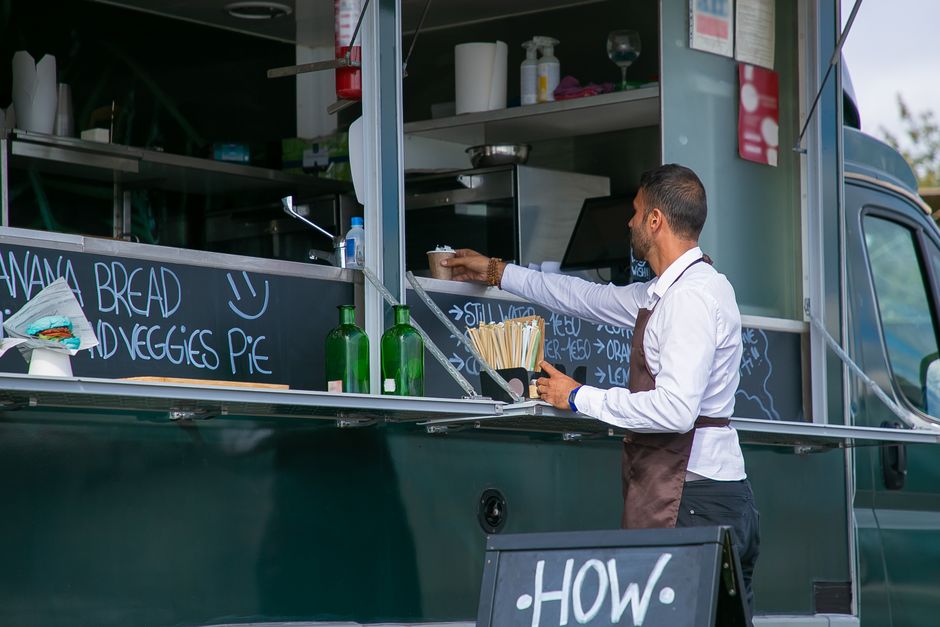
4. Evaluate Accident Risks
If your truck frequently travels between locations, the risk of accidents increases. Make sure your auto insurance covers both vehicle damage and medical expenses for you and your employees.
Comparing Insurance Quotes
1. Shop Around
Don’t settle for the first quote you receive. Different insurers offer different rates and coverage options. Consult with Copeland Insurance Agency to compare multiple providers.
2. Consider Bundling Policies
Many insurance companies offer discounts if you bundle multiple types of insurance together. For example, you might save money by bundling your general liability, property insurance, and auto insurance.
3. Look for Discounts
Some insurers provide discounts for safety measures, such as installing security systems or conducting regular employee training. Ask about any available discounts to lower your premiums.
4. Evaluate Coverage Needs
Make sure the policy you choose covers all your potential risks. This includes general liability, property damage, auto accidents, and food spoilage. Tailor your coverage to your specific business needs.
5. Budget Considerations
While it’s crucial to have adequate coverage, you also need to consider your budget. Factor in the cost of insurance premiums into your business expenses. Look for policies that offer the best balance between cost and coverage.
By following these steps, you can ensure that your food truck is adequately protected against various risks, giving you peace of mind to focus on growing your business.
Frequently Asked Questions about Food Truck Insurance
What are the liabilities of a food truck?
Running a food truck comes with its own set of risks and liabilities. Here are some of the key liabilities you should be aware of:
-
Property Damage: If your food truck or its equipment damages someone else’s property, you could be held liable. For example, accidentally backing your truck into another car could lead to a costly claim.
-
Bodily Injury: Customers or bystanders can get injured around your food truck. Hot surfaces, sharp objects, and crowded areas can all contribute to accidents. If someone gets hurt, you could be responsible for their medical expenses and legal fees.
-
Advertising Injury: This is less common but still a potential risk. If your marketing or advertising inadvertently harms another business’s reputation or infringes on their intellectual property, you could face a lawsuit.
Having the right insurance can help mitigate these risks. General liability insurance typically covers property damage and bodily injury claims, while some policies might also include advertising injury coverage.
What insurance do you need to make food?
To operate a food truck safely and legally, you’ll need several types of insurance:
-
General Liability Insurance: Covers bodily injury, property damage, and some advertising injury claims. It’s essential for protecting against lawsuits from accidents or injuries.
-
Commercial Auto Insurance: Your personal car insurance won’t cover your food truck. You need commercial auto insurance to protect against vehicle damage and medical expenses if you’re in an accident.
-
Property Insurance: Protects your equipment and truck from theft, fire, and vandalism. Given that your truck is both your kitchen and storefront, this is crucial.
-
Workers’ Compensation Insurance: If you have employees, most states require you to have workers’ comp. This covers medical fees and lost wages if an employee gets injured on the job.
-
Food Spoilage Insurance: Covers the loss of food due to power outages or equipment failure. This can be a lifesaver if your perishable inventory gets ruined.
These insurances not only protect you financially but also ensure compliance with state laws and regulations.
How much is food truck insurance monthly in Texas?
The cost of food truck insurance can vary based on several factors, including your location, the type of food you serve, and the value of your equipment. In Texas, the average monthly cost for food truck insurance is around $45 per month, which translates to about $560 annually.
That these costs can fluctuate. Factors like your claims history, the specific coverages you choose, and the insurer you go with can all impact your premium.
For the most accurate estimate, it’s always a good idea to get quotes from multiple insurance providers and compare them. This way, you can find a policy that offers the coverage you need at a price you can afford.
Next, we’ll dig deeper into the various types of food truck insurance coverage to help you understand what each one entails.
Conclusion
Running a food truck can be a rewarding business, but it comes with its own set of risks. That’s why food truck insurance is essential. It helps protect your business from unexpected events like accidents, property damage, and lawsuits.
Insurance isn’t just a safety net; it’s a crucial part of running a successful food truck operation. Without it, one mishap could lead to significant financial loss or even business closure.
At Copeland Insurance Agency, we understand the unique challenges food truck owners face. We offer custom insurance solutions to fit your specific needs. From general liability to food spoilage insurance, we provide comprehensive coverage to keep your business protected.
Protecting your business means more than just having the right recipes and a great location. It means being prepared for the unexpected. With the right insurance, you can focus on what you do best—serving delicious food to your customers—while we take care of the rest.
Ready to secure your food truck with the best coverage? Learn more about our food truck insurance options and get a quote today.
Feel free to reach out to us for any questions or to get started on your food truck insurance policy. Your peace of mind is just a phone call away.