
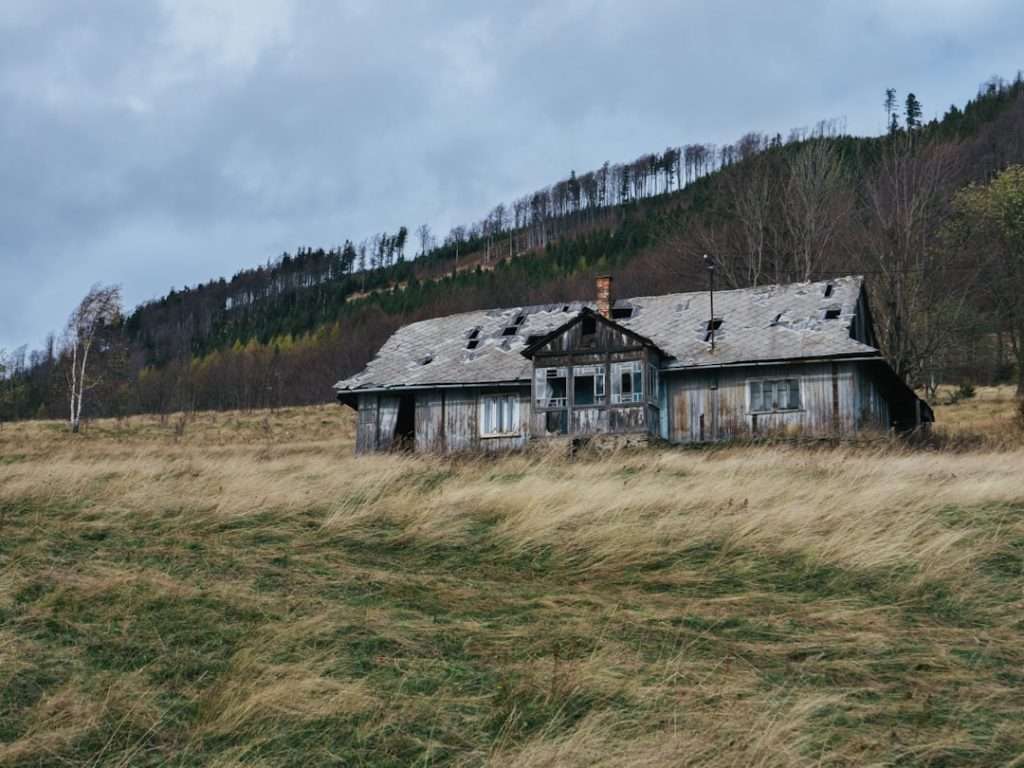
Does Homeowners Insurance Cover Vacant Homes? Top 3 Risks
Why You Need Homeowners Insurance for Vacant Homes
Does homeowners insurance cover vacant homes? The quick answer is no. Standard homeowners insurance policies typically do not cover homes that are left vacant for more than 30-60 days due to higher risks of issues like theft, vandalism, and undetected damage. To protect a vacant home, you’ll usually need specialized vacant home insurance.
When you leave a home vacant, it might seem like you’re just letting it sit there until you return or sell it. However, the reality is that vacant homes are much more prone to unexpected damage. Standard homeowners insurance often won’t cover these risks because of the high potential for problems without someone there to watch over it.
At Copeland Insurance Agency, we understand everyone’s needs are unique, from selling a home to lengthy renovations or relocations.
I’m Vonda Copeland, CPIA, CWCU, and with over 20 years of experience in the insurance industry, I’ve seen clients struggle with gaps in their coverage while their property sits vacant. It’s crucial to have the right coverage for these situations to protect your assets fully.
Stay with us to learn more about why vacant home insurance is essential and what it covers.
What is Vacant Home Insurance?
Vacant Home Insurance, also known as vacant structure insurance, is a specialized type of insurance designed to protect properties that are not occupied for an extended period. This is different from standard homeowners insurance, which typically covers homes that are lived in regularly.
Definition
Vacant home insurance protects an unoccupied structure from various risks, such as physical loss or damage. When a home is vacant, it means there are no people living in it, and it is clear of personal belongings. This can happen for several reasons, like when a homeowner moves out before selling the property, landlords are between tenants, or during extensive renovations.
Unoccupied vs. Vacant Structures
It’s important to understand the difference between unoccupied and vacant structures:
- Unoccupied structure: The home still has personal property inside, and the owner may return at any time.
- Vacant structure: The home is empty, with no personal belongings, and no one is living there.
Physical Loss and Damage
Vacant homes face unique risks compared to occupied ones. These include:
- Vandalism and Theft: Empty homes are attractive targets for vandals and thieves.
- Fire and Smoke: Fires can cause significant damage, especially if no one is there to report it quickly.
- Water Intrusion: Leaky pipes or sprinkler malfunctions can lead to severe water damage if unnoticed.
- Weather-Related Damage: Wind, hail, and lightning can cause structural damage.

Why Standard Policies Aren’t Enough
Regular homeowners insurance policies often have vacancy clauses that limit or exclude coverage if a home is vacant for more than 30-60 days. This means if your home is empty for an extended period, your standard policy might not cover any damage that occurs.
To bridge this gap, vacant home insurance provides the necessary protection, ensuring your property is covered even when it’s not occupied.
For more detailed information on what vacant home insurance covers and why it’s essential, keep reading.
Why Do You Need Vacant Home Insurance?
Vacant homes need special insurance because they face different risks than occupied homes. Let’s explore these risks and why vacant home insurance is essential.
Increased Risk
When no one is living in a home, it becomes more vulnerable. Issues like leaks, fires, or structural damage can go unnoticed for longer periods, leading to more severe damage. For instance, a burst pipe in an occupied home might be fixed quickly, but in a vacant home, it could flood the entire property before it’s finded.
Vandalism and Theft
Vacant homes are easy targets for vandalism and theft. With no one around to deter criminals, these properties can suffer significant damage. According to the National Association of Insurance Commissioners, vacant homes are more likely to be broken into or vandalized. Thieves might steal copper wiring, appliances, or other valuable items, while vandals might damage the property out of spite.
Undetected Damage
Without regular checks, minor issues can turn into major problems. A small roof leak can lead to extensive water damage, mold, and structural issues if left unchecked. Vacant home insurance helps cover these damages, ensuring that you’re not left with a hefty repair bill.
Higher Premiums
Because of these increased risks, vacant home insurance usually costs more than standard homeowners insurance. Insurers charge higher premiums to cover the greater likelihood of claims. The U.S. News & World Report explains that vacant homes are more expensive to insure due to the higher risk of theft, vandalism, and undetected damage.
Peace of Mind
Knowing that your property is protected even when you’re not there provides peace of mind. Whether you’re away for an extended period, selling your home, or renovating, vacant home insurance ensures that your investment is safeguarded.

For more information on how to secure your vacant home, including tips on preventing damage and theft, keep reading.
Does Homeowners Insurance Cover Vacant Homes?
When it comes to vacant homes, the answer to “does homeowners insurance cover vacant homes” is often “no.” Standard homeowners insurance policies typically do not cover homes that are left empty for an extended period. Here’s why.
Understanding the Vacancy Clause
Most homeowners insurance policies include a vacancy clause. This clause specifies that if a home is left vacant—usually for 30 to 60 days—the insurance company may reduce or exclude coverage. According to the National Association of Insurance Commissioners, a home is considered vacant if unoccupied and empty for 60 or more days.
Insurance companies view vacant homes as higher risk because no one is there to monitor for issues like theft, vandalism, or water damage. For example, a small leak in a pipe can turn into a major problem if left unnoticed for weeks. Because of these risks, standard policies often exclude coverage for vacant homes.
Coverage Options for Vacant Homes
To fill this coverage gap, you have a few options:
Dwelling Coverage
Vacant home insurance typically focuses on covering the dwelling itself. This includes protection against perils like fire, wind, hail, lightning, and leaky pipes. This basic coverage ensures that the structure of your home is protected even when it’s empty.
Liability Coverage
Liability coverage is usually not included in standard vacant home insurance but can be added as an endorsement. This covers you if someone gets injured on your property and decides to sue. It’s crucial for homes with potential hazards like swimming pools or trampolines.
Vandalism and Theft
These are significant concerns for vacant homes. Many vacant home insurance policies allow you to add coverage for vandalism and theft. According to US News, this is vital because empty homes are prime targets for intruders.
Water Intrusion
Coverage for water intrusion can also be added. This includes damage from leaky pipes or sprinkler systems. Since no one is there to catch these issues early, the damage can be extensive.
Natural Disasters
Like standard homeowners insurance, vacant home insurance usually does not cover natural disasters such as floods or earthquakes. You’ll need separate policies or endorsements for these risks.
Endorsement Options
If you don’t want a separate vacant home policy, you can sometimes add a vacancy endorsement to your existing homeowners insurance. This endorsement extends your existing coverage to include the periods when your home is vacant. However, it’s essential to consult your insurance agent to understand the specifics and limitations.
Policy Agreement and Specifics
Every insurance company has its own rules and specifics regarding vacant home insurance. Some may offer short-term policies lasting from three months to a year, while others may have different terms. Always read the policy agreement carefully and discuss with your agent to ensure you’re fully covered.
For more detailed information on how to protect your vacant home, including tips on choosing the right policy, continue reading.
Who Needs Vacant Home Insurance?
Vacant home insurance isn’t just for one type of homeowner. Several situations make this coverage essential. Let’s explore who might need it.
Landlords
Landlords often face periods when their rental properties are empty. Whether it’s due to transitioning between tenants or off-season vacancies, vacant home insurance ensures the property is protected from risks like vandalism and theft.
Homeowners Selling
When you’re selling your home and have already moved out, the property is considered vacant. Standard homeowners insurance may not cover it during this time. Vacant home insurance fills the gap, protecting your investment until it’s sold.
House Flippers
House flippers frequently buy homes to renovate and sell. These homes are often vacant during the renovation process. Vacant home insurance covers the property against risks like fire, theft, and water damage during this period.
Extended Renovations
If you’re undertaking extensive renovations that make your home uninhabitable, your regular homeowners policy might not cover you. Vacant home insurance ensures that your home is protected throughout the renovation period.
Military Service
Active-duty military personnel might be deployed for extended periods, leaving their homes vacant. Vacant home insurance provides peace of mind, knowing the property is covered while they’re away serving the country.
Medical Care
Extended hospital stays or long-term medical care can also leave a home vacant. In these cases, vacant home insurance protects the property from potential risks like break-ins and natural disasters.
When considering vacant home insurance, it’s crucial to understand the unique risks and coverage needs for your specific situation. For more information on purchasing this type of insurance, including how to compare rates and coverage options, keep reading.
How to Purchase Vacant Home Insurance
Factors Affecting Premiums
When purchasing vacant home insurance, you’ll need to consider several factors that can affect your premiums. Here’s a breakdown to help you steer the process:
- Separate Policy vs. Endorsement
Depending on your situation, you might need a separate vacant home insurance policy or an endorsement added to your existing homeowners insurance. An endorsement can temporarily modify your current policy to cover the vacancy period. This is useful if your home will be vacant for a short time, like during a tenant transition or minor renovations.
Just like with any insurance, shopping around is key. Different providers offer varying coverage options and rates for vacant home insurance. Look for policies that cover common risks like fire, vandalism, theft, and water damage. Some policies might even offer liability coverage if someone gets injured on your vacant property.
- Application Process
The application process typically involves providing details about the property and the expected vacancy period. Insurers will ask for information such as:
- How long the home will be vacant
- The reason for the vacancy
- The type and condition of the property
Be ready to provide this information to get an accurate quote.
- Property Type
The type of property can significantly affect your premiums. Single-family homes, condominiums, townhouses, and multi-unit properties all come with different risks and coverage needs. For example, a fourplex might cost more to insure than a single-family home due to the higher potential for damage and liability.
- Vacancy Reasons
Why your home is vacant matters. Homes vacant due to renovations or being on the market might be cheaper to insure than those vacant due to foreclosure or abandonment. Insurers assess the risk based on the vacancy reason.
- Home Condition
The condition of your home also plays a role. Homes in good repair with updated systems (like plumbing and electrical) are less risky and might be cheaper to insure. On the other hand, older homes or those in disrepair can lead to higher premiums due to the increased risk of damage.
- Replacement Value
Insurers will consider the replacement value of your home when determining premiums. This value is the cost to rebuild your home from scratch. Higher replacement values typically mean higher premiums, so make sure to provide accurate information.
- Security Measures
Installing security measures can help reduce your premiums. Consider adding features like:
- Smoke alarms
- Carbon monoxide detectors
- Security systems
- Motion-sensor lights
These measures reduce the risk of damage and theft, making your property safer and potentially lowering your insurance costs.
By understanding these factors, you can better steer the process of purchasing vacant home insurance. Comparing rates and coverage options will help you find the best policy to protect your vacant property.
For more detailed guidance on vacant home insurance, including frequently asked questions, continue reading.
Frequently Asked Questions about Vacant Home Insurance
What is the difference between vacant and unoccupied?
A vacant home is one that is completely empty—no people, no furniture, no personal belongings. Think of a house that’s on the market and has been cleared out by the previous owners. In contrast, an unoccupied home still has furniture and other personal items, but no one is currently living there. For example, someone might be on an extended vacation or temporarily staying elsewhere.
Insurance companies treat these situations differently. Vacant homes are seen as higher risks because there’s no one to notice or prevent problems like leaks or break-ins. So, they often require special insurance policies.
Why is vacant home insurance more expensive?
Vacant home insurance is generally more expensive than standard homeowners insurance. Here are a few reasons why:
- Higher Risk of Theft and Vandalism: Empty homes are more likely to be targeted by thieves and vandals.
- Undetected Damage: Issues like water leaks or fires can go unnoticed for longer, leading to more severe damage.
- Liability Risks: If someone gets injured on the property, the homeowner could be held liable, even if they weren’t there.
According to the research, vacant home insurance can cost about 50% to 60% more than a standard policy for an occupied home. This higher cost reflects the increased risk and potential for more expensive claims.
How long can a house be vacant for insurance purposes?
The length of time a house can remain vacant before it affects your insurance varies by provider and policy. Generally, if a home is vacant for 30 to 60 days, standard homeowners insurance policies may no longer cover it. This is often due to a vacancy clause in the policy, which restricts or excludes coverage after a certain period.
To ensure you’re fully covered, it’s crucial to speak with your insurance provider. They can inform you whether you need a separate vacant home insurance policy or if you can add an endorsement to your existing homeowners insurance.
Understanding these key points will help you make informed decisions about protecting your vacant property. For more details on vacant home insurance, including how to purchase it, continue reading.
Conclusion
Vacant home insurance is essential for protecting your property when it’s unoccupied for an extended period. Standard homeowners insurance often has coverage gaps and exclusions for vacant homes, making specialized insurance necessary.
Vacant homes are more vulnerable to risks like vandalism, theft, and undetected damage from leaks or fires. Vacant home insurance fills these gaps, offering coverage for these specific risks. Without it, you could face significant financial losses.
At Copeland Insurance Agency, we understand the unique challenges of insuring vacant homes. Our comprehensive coverage options are designed to protect your investment and give you peace of mind.
Whether you’re a landlord, a homeowner selling your property, or someone undergoing extended renovations, we can help you find the right vacant home insurance. Our policies offer protection against various risks, including fire, wind, hail, and water intrusion.
Don’t leave your vacant property unprotected. Contact us today to learn more about our vacant home insurance options and how we can help you safeguard your assets.
Explore our vacant home insurance options and get the coverage you need to protect your property.